Explore the Perks of Professional Senior Care: Improving Quality of Life for Your Aging Relatives
Skilled senior care provides countless benefits that can substantially better the lives of elderly individuals. Personalized support not only promotes independence but also provides safety in daily tasks. Companionship from caregivers alleviates loneliness, enhancing emotional well-being. As families explore the multiple aspects of professional care, they may find themselves wondering how these services can specifically address applicable information the needs of their loved ones. Understanding the full scope of these strengths is crucial for making informed decisions.
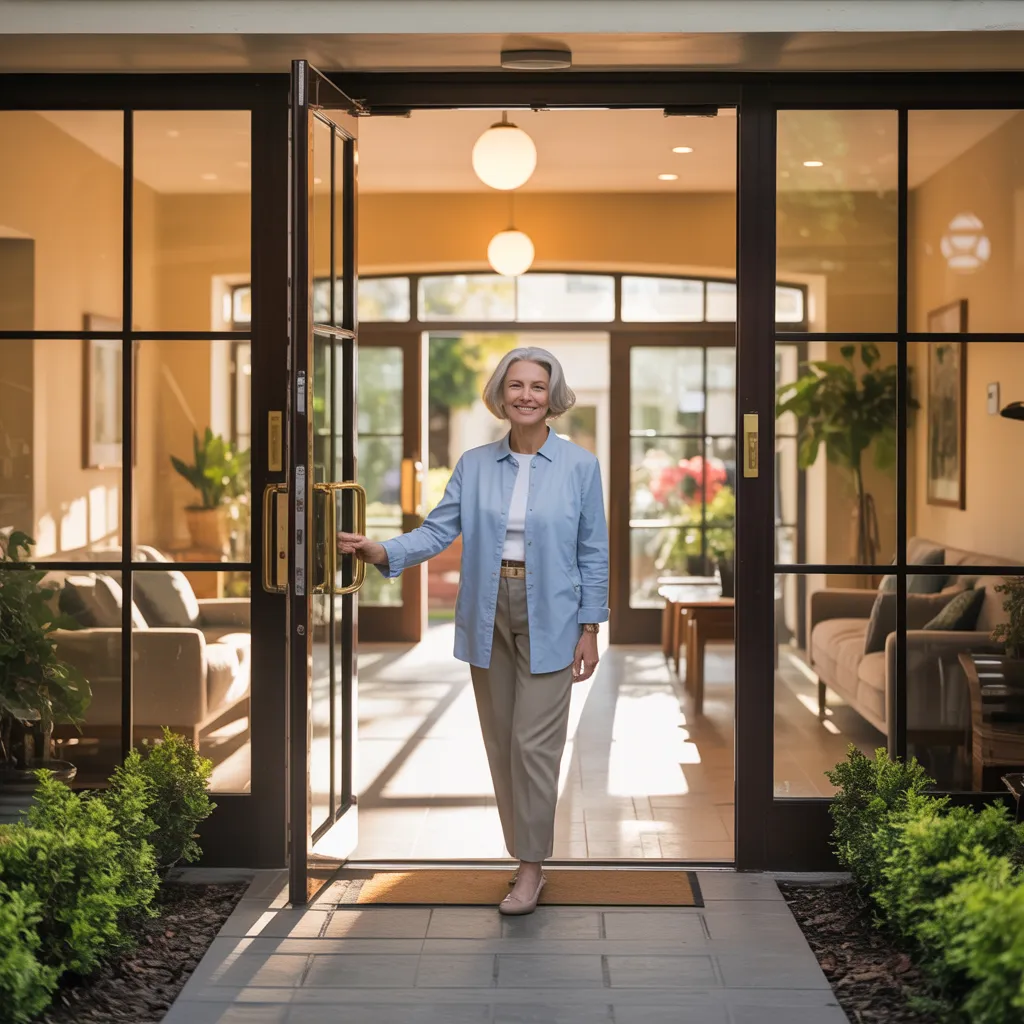
The Importance of Professional Senior Care for Elderly Individuals
Even though aging is a natural part of life, the difficulties that arise from it can greatly impact a senior's quality of life. Many seniors face obstacles such as declining physical health, cognitive impairments, and social isolation. Professional senior care addresses these issues by offering tailored support that enhances daily living. Trained caregivers assist seniors with important tasks, such as bathing, medication management, and meal preparation, helping them to keep their independence while guaranteeing safety.
Additionally, professional care supports social engagement and emotional well-being. Caregivers typically facilitate activities that promote interaction, combating loneliness and fostering connections. This holistic approach doesn't just addresses physical needs but also nurtures emotional health, which is critical for overall quality of life. By selecting professional senior care, families can make certain that their loved ones receive compassionate support, ultimately enhancing their comfort and dignity during the aging process.
How Tailored Senior Care Plans Meet Individual Needs
Customized senior care plans are critical for meeting the specific needs of each person, guaranteeing that care is both applicable and effective. These plans start with a complete assessment of the senior's physical, emotional, and social necessities. By analyzing factors such as medical history, daily routines, and personal preferences, caregivers can design personalized strategies that elevate overall well-being.
Additionally, customized plans allow for flexibility, accommodating changes in wellness levels or lifestyle. This anticipatory approach ensures that seniors are provided with appropriate interventions and support that suit their developing needs. Consistent reviews of the care plan facilitate ongoing adjustments, promoting a responsive care environment.
In addition, these customized plans foster greater engagement from seniors, as they often feel more appreciated and understood. In the end, individualized senior care plans seek to improve quality of life by providing customized attention that caters to both the practical and emotional dimensions of aging.
Why Companionship Matters for Emotional Health
The presence of companionship is fundamental to strengthening emotional well-being among seniors, significantly affecting their overall quality of life. As individuals age, social isolation can become a significant issue, causing feelings of loneliness and depression. Building relationships with companions—whether through family, friends, or professional caregivers—offers vital emotional support and a sense of belonging.
Consistent interaction enables seniors preserve cognitive function and fosters participation in activities that encourage happiness. Companions can spark meaningful conversations and share experiences, building deeper connections that counter feelings of isolation.
In addition, companionship can foster a sense of purpose, as elderly individuals often obtain joy from developing relationships. This social interaction not only enhances mood but also contributes to a more satisfying life. Overall, the presence of companionship is crucial for seniors, significantly enhancing their emotional well-being and enhancing their overall quality of life.
How Caregivers Improve Seniors' Physical Health
Caregivers play an essential role in enhancing the physical health of older adults through organized assistance. They enable regular exercise routines, ensuring that seniors keep active and engaged. Moreover, caregivers offer nutritional support and support with medication management, supporting overall health.
Regular Fitness Regimens
Although numerous elderly individuals encounter physical constraints, integrating regular exercise routines can significantly enhance their overall health and well-being. Caregivers play an essential role in facilitating these routines, often tailoring exercises to meet individual needs and abilities. Activities such as walking, stretching, and low-impact aerobics can boost strength, flexibility, and balance, decreasing the risk of falls. Moreover, regular exercise can enhance mood and cognitive function, combating feelings of isolation and depression frequently experienced by seniors. Caregivers not only provide motivation but also maintain safety during physical activities, fostering a positive environment for engagement. By promoting regular exercise, caregivers can significantly contribute to improved physical health, empowering seniors to maintain independence and enjoy a better quality of life.
Nutritional Assistance Programs
A comprehensive approach to elderly wellness encompasses not only regular exercise but also nutrition care services. Caregivers serve a vital function in supporting the physical health of seniors through customized meal planning and preparation. By examining individual dietary needs and preferences, caregivers make certain that seniors receive balanced meals rich in essential nutrients. This support aids in controlling chronic conditions, boosts immunity, and promotes overall well-being. Additionally, caregivers often help with grocery shopping, making healthy food choices easy to obtain and practical. They also monitor hydration levels, which are essential for maintaining energy and cognitive function. By focusing on nutrition, caregivers considerably contribute to superior health outcomes and elevate the quality of life for seniors, enabling them to thrive in their daily activities.
Medicine Management Assistance
Proper medication management is essential for maintaining seniors' physical health, especially as they often face complex medication regimens. Caregivers play a vital role in this process by ensuring that medications are taken as prescribed. They help arrange medications, set reminders, and monitor dosages, considerably reducing the risk of errors. Furthermore, caregivers can identify potential side effects or interactions, facilitating immediate communication with healthcare providers. This vigilant oversight not only enhances adherence to treatment plans but also empowers seniors to manage their health more effectively. By easing the burden of medication management, caregivers contribute to improved overall well-being, allowing seniors to focus on enjoying life and engaging in meaningful activities. Therefore, professional senior care enhances physical health through dedicated medication support.
Supporting Social Connection and Community Involvement for Older Adults
Interpersonal connections play a crucial part in boosting the complete health of elderly individuals. Participating in neighborhood group events both builds relationships and fights sensations of loneliness. Through encouraging such activities, care providers can significantly enhance elderly individuals' psychological and emotional wellness.
Benefits Of Social Interaction
Involvement in social activities fosters a sense of belonging and purpose among seniors, greatly boosting their overall well-being. Regular social interaction assists in combating feelings of isolation and loneliness, which can lead to depression and cognitive decline. By taking part in group activities and forming friendships, seniors can experience better mental health and emotional resilience. Moreover, social engagement encourages the maintenance of communication skills and cognitive functions, resulting in a sharper mind. Interacting with peers also encourages sharing of experiences and knowledge, improving their lives through diverse perspectives. Ultimately, fostering social connections empowers seniors, boosting their self-esteem and encouraging a more active lifestyle, which is vital for maintaining physical health and overall quality of life.
Local Community Activities
Taking part in local community activities provides seniors valuable opportunities for social interaction and involvement. These activities, such as art classes, gardening clubs, and volunteer programs, encourage social engagement and assist in fighting feelings of isolation. By engaging with peers, seniors can share experiences, learn new skills, and form lasting friendships. Community events, from farmers' markets to concerts in the park, support active participation and offer a sense of belonging. In addition, local organizations often present tailored programs that cater specifically to seniors, guaranteeing they feel included and engaged. Seizing these opportunities can substantially boost seniors' mental and emotional well-being, ultimately contributing to a more fulfilling and enriched life as they remain active members of their communities.
Trustworthy Care Providers: Guaranteeing Comfort for Families
As families pursue professional senior care, the trustworthiness of caregivers becomes essential, as it directly influences the well-being of their loved ones. Families often face the tough responsibility of making certain that their aging relatives receive caring and skilled care. Trustworthy caregivers build confidence, allowing family members to feel secure that their loved ones are in safe hands.
A lot of professional care services prioritize hiring skilled caregivers who go through extensive background checks, training, and ongoing evaluations. This stringent selection process helps to ensure that caregivers have not only the essential skills but also the emotional intelligence needed to support seniors properly.
Families can enhance their peace of mind by establishing open pathways of communication with caregivers, reviewing care plans, and routinely monitoring progress. Moreover, caregivers who exhibit empathy and respect nurture a nurturing environment, facilitating a deeper bond with the seniors they care for, ultimately benefiting both the seniors and their families.
Choosing the Ideal Senior Care Service for Your Loved Ones
How can families ensure they select the most fitting senior care service for their family members? To start, they should assess individual needs, accounting for elements like medical conditions, mobility issues, and personal preferences. Researching various care options, including in-home care, assisted living, and skilled nursing facilities, is necessary. Families can benefit from reading reviews, seeking recommendations, and visiting potential facilities to assess the environment and staff interactions.
Subsequently, evaluating professional credentials of caregivers guarantees they possess the required training and expertise. Families should ask about the service's approach to care, including how they manage emergencies and communicate with family members.
Lastly, considering financial aspects is important, as costs can fluctuate substantially among providers. By taking these steps, families can make informed decisions, ultimately enhancing the quality of life for their elderly relatives through the right senior care solution.
Frequently Asked Questions
What Credentials Should I Seek in a Professional Caregiver?
When looking for a professional caregiver, it's important to prioritize qualifications such as relevant certifications, experience in elder care, strong communication skills, empathy, and the ability to develop personalized care plans that accommodate individual needs and preferences.
How Can I Assess the Cost of Senior Care Services?
To calculate the cost of senior care services, you should examine rates from several providers, assess the level of care needed, and assess any additional fees, securing a thorough understanding of overall expenses involved.
What If My Loved One's Needs Evolve?
If a loved one's needs change, care strategies can be adapted appropriately. Skilled caregivers will review the situation, presenting enhanced support or modified support to confirm the individual's changing demands are met effectively and compassionately.
Can Services Be Found for Seniors Dealing With Specific Health Conditions?
Yes, various services exist for seniors with specific health conditions, including expert in-home care, physical therapy, and individualized wellness programs. These services are designed to address unique needs and enhance overall health and quality of life.
In What Ways Can Family Members Stay Involved in the Care Process?
Family members can remain involved in the care process by regularly communicating with healthcare staff, participating in care planning discussions, visiting regularly, and assisting with daily tasks, guaranteeing they remain informed and engaged in their loved one's care and comfort.